


Skin Imaging System

Vanta-Certified GDPR-Compliant
Skin Analysis SaaS Secure Platform
What is Skin Imaging System?
A skin imaging system is a non-invasive technology used in dermatology, aesthetics, and beauty retail that captures high-resolution facial images to analyze both surface and subsurface skin conditions. It gives professionals objective, quantifiable data for assessing skin concerns, personalizing treatments and product recommendations, and tracking progress over time.
Skin imaging systems fall into two broad categories. Hardware-based systems — such as multi-spectral imaging booths — use controlled lighting environments (standard, UV, and cross-polarized light) to photograph the skin from a fixed station. AI-based skin imaging systems use deep learning models trained on large, clinically annotated image datasets to perform the same facial skin analysis from a standard camera on an iPad, smartphone, or web browser — making professional-grade skin diagnostics portable, scalable, and dramatically more affordable.
Perfect Corp.'s skin imaging system belongs to the second category: a software-based AI skin analysis engine trained on 70,000+ medical-grade images, used by 800+ beauty brands, clinics, and medspas worldwide.
Skin Imaging Analysis Through 3 Steps
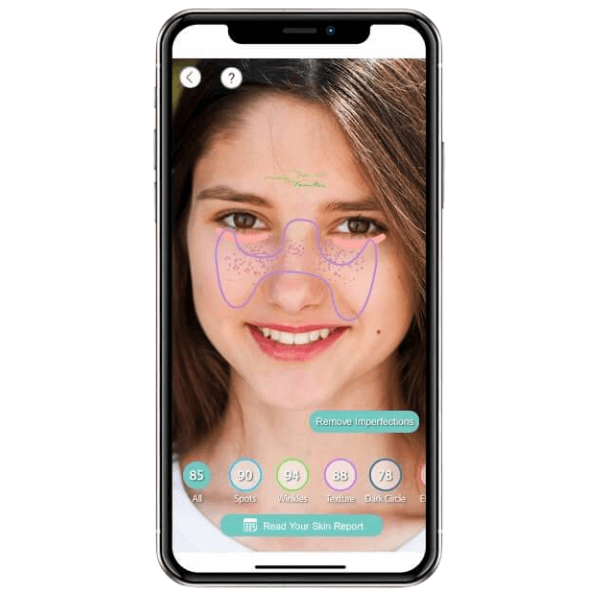
Facial scan capturing skin image for AI analysis
The skin imaging system captures the client's face with a live camera or uploaded photo, with real-time quality checks and automatic light compensation for consistent results in any environment.
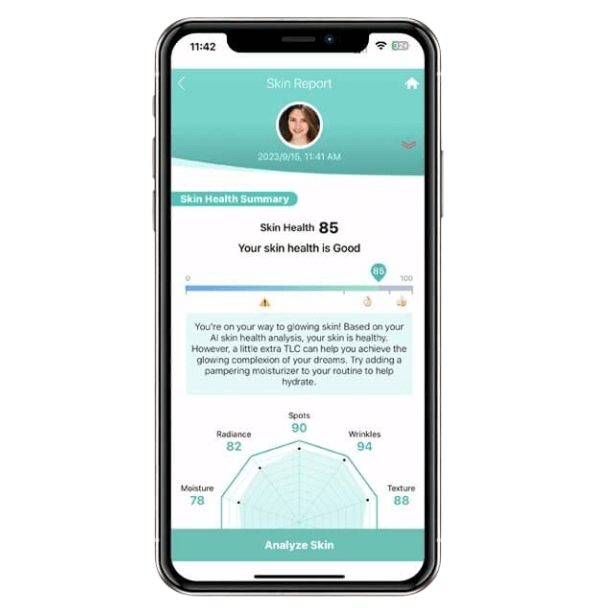
Detailed AI skin report showing scores for 16+ skin concerns
Deep learning models map the face into zones and score 16+ skin concerns, generating a detailed skin report with objective data, severity levels, and an estimated skin age.
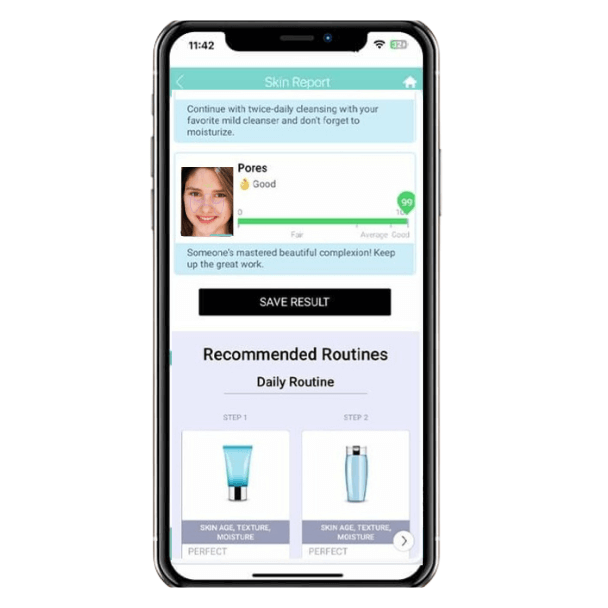
Personalized skincare routine recommendation based on skin report
Based on the report, the system delivers a personalized skincare routine and product or treatment recommendations targeted to each client's specific concerns.
Skin Imaging Backed by Peer-Reviewed Research
Accuracy is the first question every clinic asks about AI skin imaging — and it's the one we can answer with published data. In research led by Dr. Steven R. Feldman, Professor of Dermatology at Wake Forest School of Medicine, Perfect Corp.'s AI skin analysis technology was benchmarked against physician assessments and professional imaging devices.
- 95% test-retest reliability — the system delivers highly consistent results when the same person is scanned multiple times.
- Over 80% correlation with physician and professional-device assessments across specific skin concerns.
- Trained on 70,000+ medical-grade images spanning diverse skin tones, types, ages, and textures.
The study concluded that the technology is a precise, fast, and cost-effective alternative to traditional clinical skin assessment tools.
What does skin imaging system offer?
What does skin imaging system offer?
Like a professional AI skin analysis machine, it delivers a detailed analysis of skin conditions — identifying concerns such as wrinkles, pores, and acne — so professionals can build personalized skincare routines and treatment plans.
- AI Skin Analysis: Deep learning models analyze skin images to identify 16 skin concerns, determine skin type, and estimate skin age in under 7 seconds.
- Skin Condition Assessment: Evaluate texture, hydration, and oiliness, with a comprehensive overall skin score.
- Tailored Skincare Routines & Product Recommendations: Turn every skin report into a personalized skincare routine or treatment plan mapped to your product catalog.
- High-Resolution Imaging: Zone-by-zone facial mapping enables detailed, repeatable analysis of skin texture, condition, and structure.
- Progress Tracking: Registered scans and built-in client records document skin changes between visits — proving treatment results and driving rebooking.
AI Skin Imaging vs. Traditional Hardware Systems
Traditional Imaging Hardware | Perfect Corp. AI Skin Imaging | |
|---|---|---|
| Upfront cost | $10,000–$50,000+ per unit | From $199/month — no hardware |
| Footprint | Dedicated imaging booth / station | Any iPad, iPhone, or web browser |
| Scan time | Several minutes with trained operator | 16-concern report in seconds, self-serve |
| Skin concerns detected | Typically ~8 | 16 concerns + 8 skin types + skin age |
| Training & maintenance | Operator training, calibration, service contracts | No training required, automatic updates |
| Multi-location scale | Capital expenditure per location | Deploy across every location instantly |
| Digital integration | Standalone station | App, web module, smart mirror, and API |
Comparing specific devices? See our breakdowns of VISIA skin analysis costs and alternatives, and the top 5 skin analysis machines.
Who Uses Our Skin Imaging System?
- Medspas & aesthetic clinics: Ground every consultation in objective data and convert more clients with visual, trackable results.
Dermatology practices: Use HIPAA-compliant pre-consultation screening. - Estheticians & skincare studios: Offer a professional skin scanner experience on a iPad — no capital investment, no dedicated room.
- Beauty brands & retail: Deploy consistent AI skin analysis across every counter and store, tied directly to product recommendations.
- E-commerce & app developers: Embed the same engine into your website or app via the AI Skin Analysis API for online skin consultations.
CONTACT US
Interested in leveling up your business? Tell us briefly about your use case and we'll set up a free business web demo of Skin Imaging System.
Skin Imaging System Detects 16 Skin Attributes
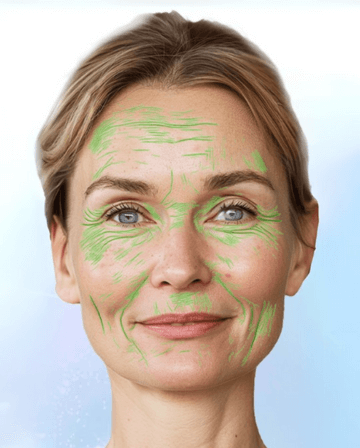
Face Wrinkles
The AI detects and analyzes wrinkles across facial areas, including periocular, smile lines, marionette, glabellar, forehead, and crow’s feet.
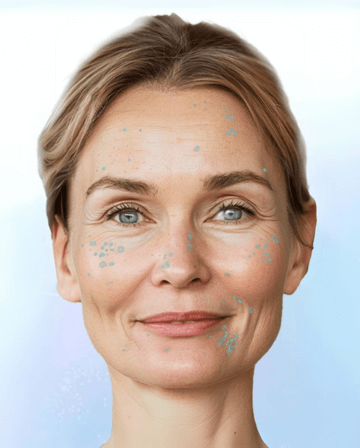
Dark Spots on Face
The AI algorithm identifies different levels of dark spots and excludes non-dark-spot areas like skin mole, facial hair, or other false readings.
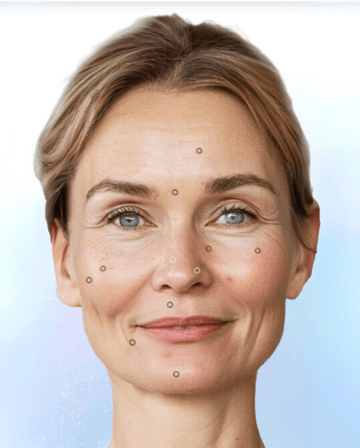
Face Acne
The algorithm can do a 180-degree full face analysis to identify three types of acne: inflammatory acne, whiteheads, and blackheads.
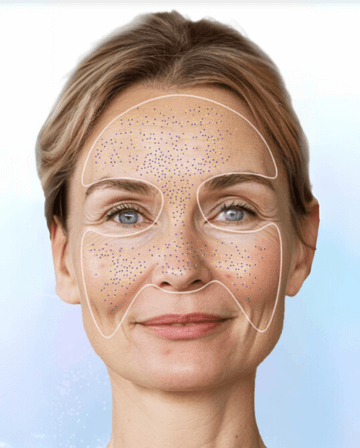
Face Skin Texture
AI algorithm for texture detects bumps and dents on users’ skin and offers users an overall assessment of their skin smoothness.
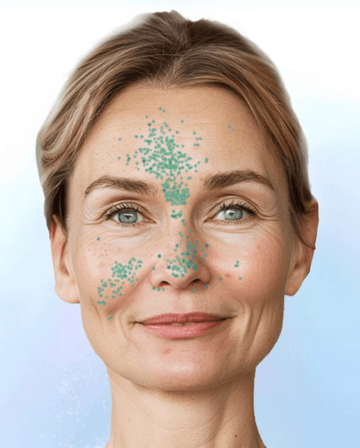
Pores on Face
The AI algorithm detects visible pores across key areas, including cheeks, forehead, and nose, and highlights them with AR overlays.
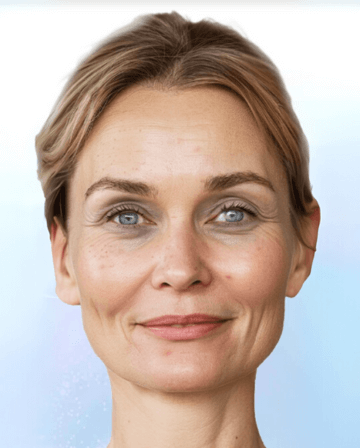
Dark Circles
The AI algorithm scans the under-eye area for dark circles. The dark circle area is clearly marked and users can see the severity of this condition.
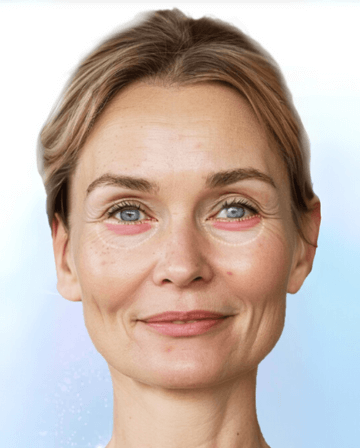
Eyebags
AI algorithm for dark circles can also analyze eye bag condition. AR overlays delineate the size and the puffiness of the user’s eye bag condition.
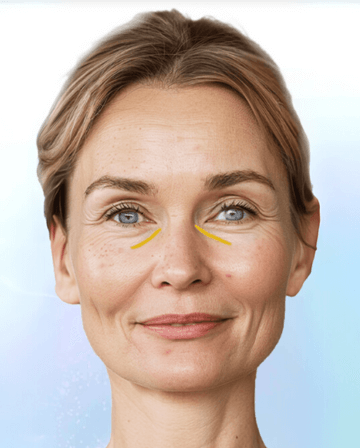
Tear Trough
Our advanced AI algorithm can detect and identify tear troughs by closely analyzing patterns in the under-eye area to assess the severity of the condition.
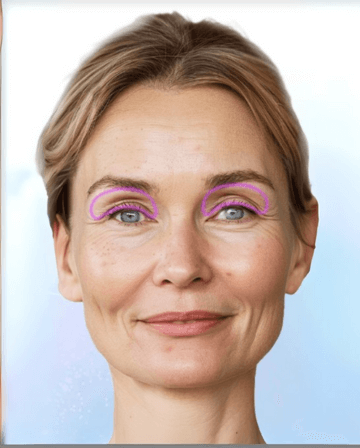
Droopy Upper Eyelid
The AI algorithm examines the outer corner of the upper eyelid and identifies sagging levels in one or both eyes.
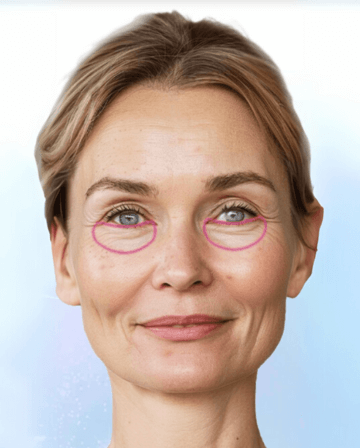
Droopy Lower Eyelid
The AI algorithm examines the outer corner of the lower eyelid and identifies sagging levels in one or both eyes.
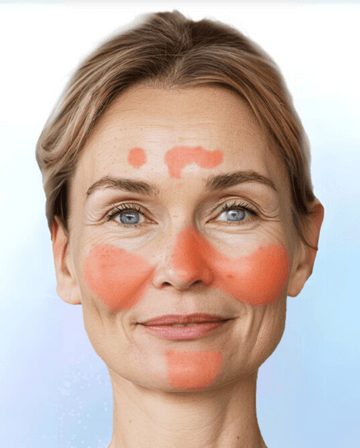
Facial Redness
The AI algorithm analyzes and detects subtle symptoms before the skin condition causes irritation.
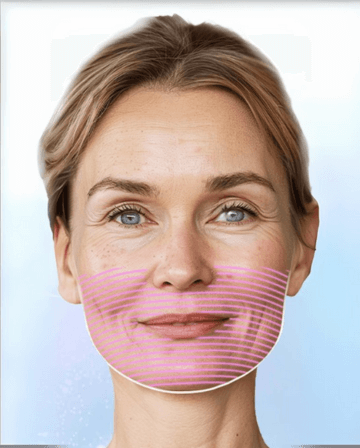
Skin Firmness
The AI algorithm analyzes skin firmness and identifies the degree of skin sagging on both sides of the chin.
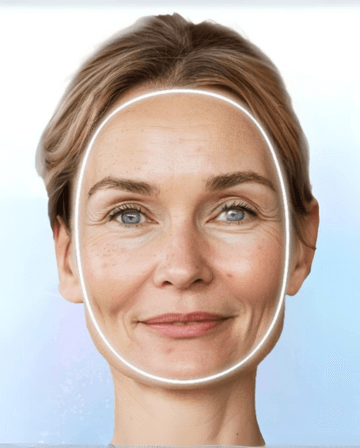
Skin Radiance
AI algorithm analyzes overall skin clarity and luminosity to provide an assessment score, helping user to improve the appearance of radiant skin.
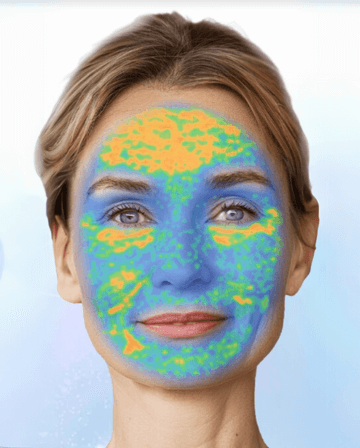
Skin Hydration
A sophisticated AI deep learning algorithm analyzes and detects skin hydration levels. Various indicators of skin dehydration are recognized.
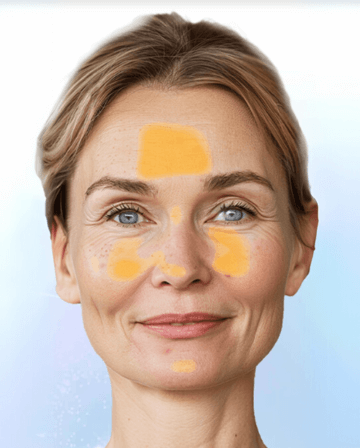
Face Oiliness
AI algorithm categorizes oiliness into three levels and shows results using AR overlays to help users recognize skin areas requiring more attention.
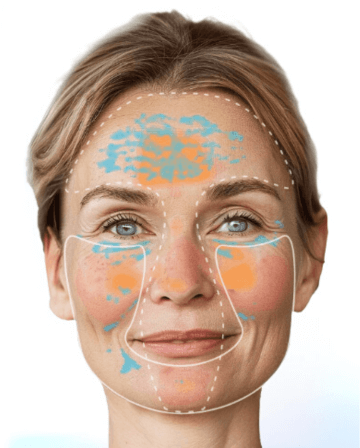
Skin Type
This advanced skin technology detects signs of sensitive skin like dryness, oiliness, and redness, helping determine the user's skin type.
Skin Imaging System — Frequently Asked Questions
What is a skin imaging system?

A skin imaging system is a non-invasive technology that captures and analyzes facial images to assess surface and subsurface skin conditions such as wrinkles, spots, pores, texture, and hydration. Modern AI-based systems perform this analysis from a standard camera on a tablet, phone, or web browser — no dedicated imaging booth required.
How much does a skin imaging system cost?
Traditional hardware-based systems typically cost $10,000–$50,000 per unit, plus maintenance, calibration, and operator training. Perfect Corp.'s software-based Skincare Pro delivers a 16-concern skin analysis on any iPad or iPhone, starting at $199/month, with a 14-day free trial.
How accurate is AI skin imaging compared to hardware devices?
In an independent evaluation by Dr. Steven R. Feldman, Professor of Dermatology at Wake Forest School of Medicine, Perfect Corp.'s AI skin analysis showed over 80% correlation with physician and professional-device assessments, and 95% test-retest reliability. The AI was trained on 70,000+ medical-grade skin images across diverse skin tones, types, and ages.
Is the skin imaging system HIPAA and GDPR compliant?
Yes. Perfect Corp.'s skin imaging solution is Vanta-certified HIPAA-compliant and GDPR-compliant, making it suitable for medical clinics, dermatology practices, and businesses handling sensitive client data in the US and EU. See our compliance page for details.
Can beauty brands integrate skin imaging into their own app or website?
Yes. The same AI engine is available as an iPad app (Skincare Pro), a web module for e-commerce sites, and a developer AI Skin Analysis API — allowing brands to embed real-time skin diagnostics into apps, websites, smart mirrors, and CRM workflows.
Learn More About AI Skin Analysis
- AI Skin Analysis Machine: How It Works, Accuracy & What to Look For
- 5 Skin Analysis Machines & Skin Scanners Compared: Price & Features
- Is VISIA Skin Analysis Worth It? Features, Costs & The Alternative
- How AI Skin Analysis Takes the Lead Over Traditional Hardware
- AI Skin Analysis (Product) · AI Skin Analysis Validator · AI Skin Simulation · Fitzpatrick Skin Type Analysis


