 Author:



Here's the uncomfortable truth about "free AI tools" roundups: most of them are just an affiliate link buffet. Fifty tools, zero opinions, and no sense of which five you'll actually open again next week. This isn't that. These are 15 free AI tools that are genuinely useful in 2026 — for writing, for design, for research, and for a category almost nobody covers: the free AI demos beauty, jewelry, and eyewear brands can use to let shoppers try before they buy. No credit card required for any of them, and we'll flag exactly where the free tier runs out so you're not surprised later.
— CHOOSE A CATEGORY — 01Why Free AI? 02Writing 03Design & Visuals 04Research 05Productivity 06Brand Demos 07Video & SEO 08How to Choose 09FAQ
What Actually Makes a "Free AI Tool" Worth Your Time?
Three things, really. First, the free tier has to be usable, not a seven-day trial disguised as "free forever." Second, the output has to be good enough to ship, not just good enough to impress your coworker in a Slack thread. Third — and this is the one most lists skip — it has to solve a problem you actually have this week, not a hypothetical one. With that filter applied, here's what's left standing in 2026.
Which Free AI Tools Are Best for Writing and Content?
Writing is the most crowded category in AI, which makes the free tiers worth separating from the noise.
| Tool | Best for | Free tier limit |
|---|---|---|
| ChatGPT (free) | Drafting, brainstorming, rewriting in any tone | Capped daily messages, older model access at peak times |
| Google Gemini (free) | Research-backed drafts with live web grounding | Usage caps, fewer multimodal features than paid tier |
| Grammarly (free) | Grammar, clarity, and tone checks inside any app | Basic suggestions only; advanced style rewrites are paid |
| Notion AI (free credits) | Summarizing notes and meeting docs into action items | Limited monthly AI credits before you need a paid add-on |
If you're writing for search, pair whichever drafting tool you pick with an actual editing pass — AI drafts read noticeably better once a human tightens the structure and double-checks every claim.
What Are the Best Free AI Tools for Design and Visuals?
You don't need a design degree or a Photoshop license to produce something that looks professional anymore.
- Canva's Magic Studio (free tier): background removal, text-to-image, and a "Magic Write" copy assistant baked right into the same canvas you already use for social posts.
- Adobe Firefly (free credits): commercially safe image generation, useful if your brand needs to avoid copyright headaches on stock imagery.
- Looka (free logo concepts): quick logo direction testing before you commit budget to a designer.
For product and campaign visuals specifically, most generic image generators still struggle with faces, skin texture, and accurate color rendering — which is exactly the gap a purpose-built visual AI suite is designed to close, something we'll come back to below.
Which Free AI Tools Help With Research and Search?
Perplexity AI (free tier) remains the standout here — it answers like a search engine but cites its sources like a researcher, which matters enormously if you're fact-checking competitor claims or industry stats before you publish. Google Gemini and Microsoft Copilot's free web access both do a reasonable version of the same thing, with Gemini leaning more conversational and Copilot leaning more "summarize this for my boss."
What Free AI Tools Can Replace a Chunk of Your To-Do List?
ClickUp's free plan bundles a genuinely useful AI layer for summarizing tasks and drafting status updates. Zapier's free tier now includes AI-assisted "Zap" creation, meaning you can describe an automation in plain English ("when a new lead fills out my form, add them to my CRM and send a Slack alert") instead of building the logic by hand. Neither replaces a dedicated ops hire, but both quietly save a few hours a week.
FOR DEVELOPERS Building your own AI-powered workflow or app? Test real, production-grade endpoints — not a demo sandbox — in Perfect Corp's AI Playground before you wire anything into your product. Try the AI Playground →
Which Free AI Tools Are Built Specifically for Beauty, Jewelry, and Eyewear Brands?
This is the category almost every "free AI tools" list leaves out entirely, because most of them are written for generic office work, not for brands that sell something people put on their face, skin, hair, or hands. If you're in beauty, skincare, jewelry, or eyewear, these are the free AI tools actually worth testing:
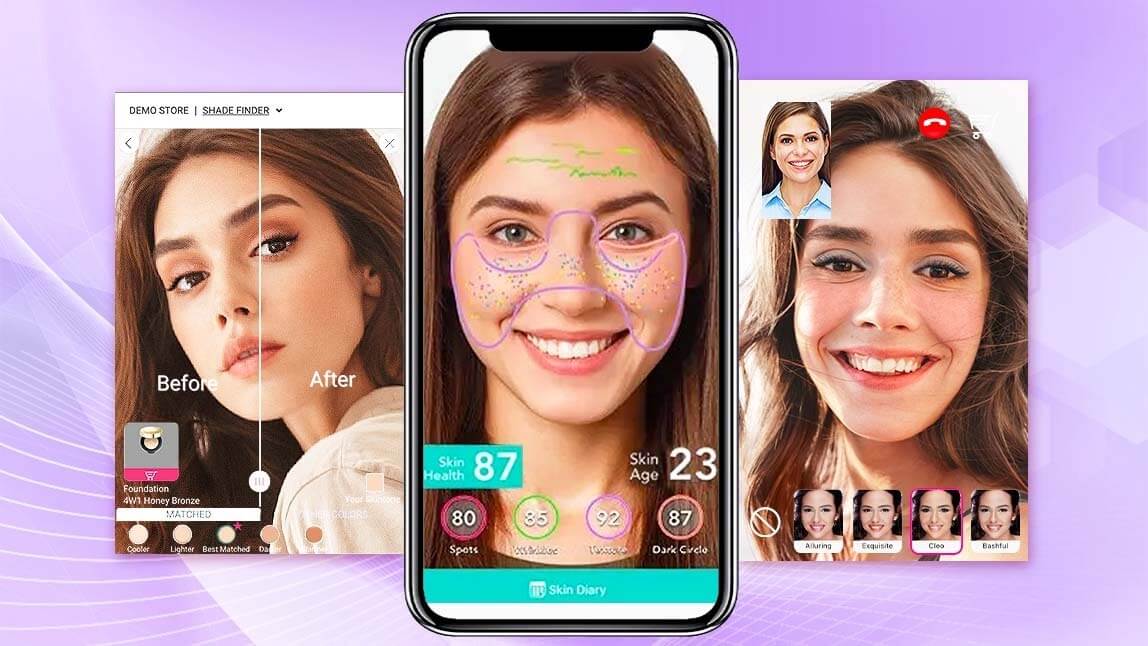
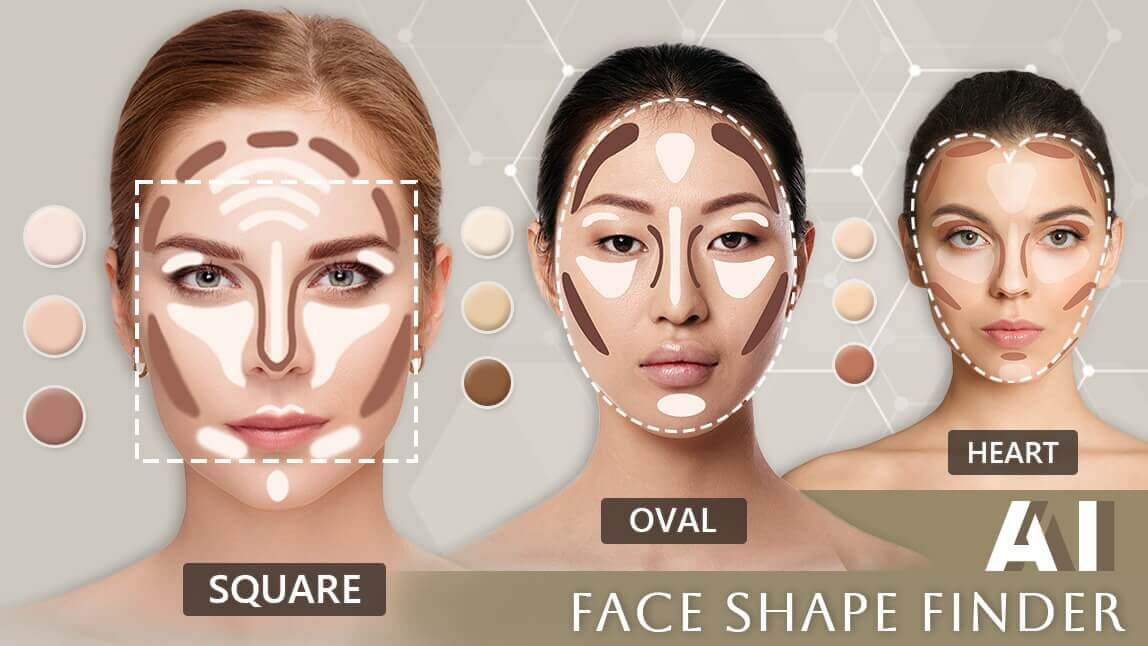
- Perfect Corp's AI Playground: a free, no-signup way to test real AI Face Analyzer, Skin Diagnostic, and Hair Analysis APIs with your own photos before committing to an integration — see exactly what data and accuracy your app would get.
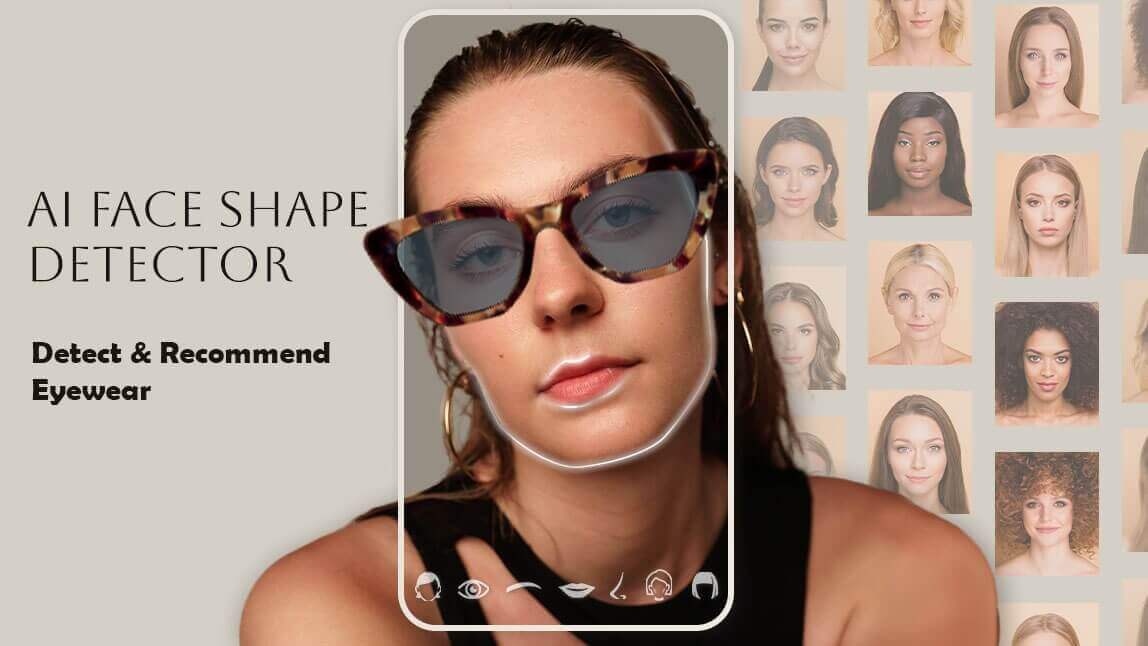
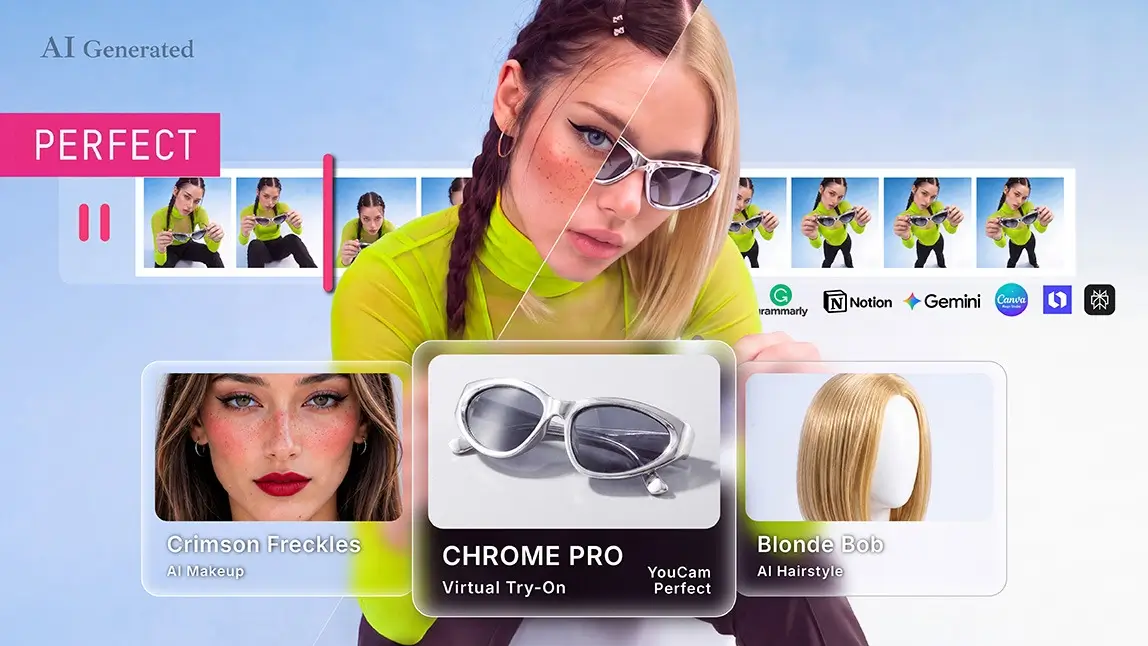
- AI-powered virtual try-on demos: live, photorealistic try-on for makeup, hair color, jewelry, and eyewear — the same category of technology major retailers use to cut return rates and lift conversion, available to test for free before any contract is signed.
- AI Skin Texture Detector demos: a fast way to see how skin-analysis AI actually performs on real, varied skin tones and textures — something generic image tools consistently get wrong.
The difference between these and a general-purpose image generator isn't marketing spin — it's that these models are trained specifically on faces, skin, and accessories, which is exactly the use case a generic tool wasn't built for. See how the technology is actually used across live storefronts in real-world application showcases, or browse the full product suite if you want to go deeper than the free demo.
What Free AI Tools Help With Video and SEO?
CapCut's free AI tools (auto-captions, background removal, voice enhancement) have quietly become the default for short-form video editing — not because they're the most powerful, but because they're fast enough to keep up with a daily posting schedule. On the SEO side, Google Search Console's free performance reports plus a tool like Ubersuggest's free keyword lookups cover the basics without a subscription; just don't expect enterprise-grade keyword volume data at the free tier.
How Do You Choose Which Free AI Tools Are Worth Adopting?
A fast gut check:
Can you get a usable result in under five minutes without entering a credit card?
Does the free tier's limit (message caps, credits, watermarks) actually matter for how often you'd use it?
And critically — if this tool touches your brand's actual product (faces, skin, color-accurate try-on), is it built for that specific use case, or just repurposed from a general-purpose model?
That last question is where most teams waste the most time, because a tool that's 90% right on a generic photo can be meaningfully wrong on the thing your business actually sells.
FAQ: Free AI Tools, Answered
What is the best completely free AI tool right now?
For general use, ChatGPT's free tier and Perplexity AI both offer genuinely usable daily value without payment. For beauty, jewelry, or eyewear brands specifically, Perfect Corp's AI Playground is the closest free equivalent, purpose-built for that category.
Are free AI tools actually free, or is it a trial?
It depends on the tool. Most reputable ones (ChatGPT, Gemini, Canva, Perfect Corp's AI Playground) offer a genuinely free tier with no time limit, just usage caps — not a trial that expires and demands a credit card.
Can free AI tools replace paid software entirely?
For light, occasional use, often yes. For daily, high-volume, or brand-critical work — especially anything customer-facing — free tiers tend to hit their usage caps or accuracy ceiling quickly, and that's usually the signal to upgrade.
What free AI tools exist specifically for beauty and fashion brands?
Perfect Corp's AI Playground and its virtual try-on demos are the most direct examples — covering face analysis, skin diagnostics, hair analysis, and try-on for makeup, hair color, jewelry, and eyewear, all testable for free before any integration decision.
Is it safe to use free AI tools with real customer or brand data?
Treat any free tier the way you'd treat any new vendor: check what happens to the data you upload before you feed it anything sensitive, and prefer tools built by vendors with an actual enterprise product behind the free tier, since that usually means clearer data handling terms.
How often do free AI tools change their limits?
Often — free tiers get adjusted as these companies find their pricing model. Re-check limits every few months rather than assuming what was free last year still is.
The honest takeaway: free AI tools are genuinely good enough now to run a surprising amount of day-to-day work — drafting, designing, researching, automating. The one place a generic free tool reliably falls short is anything touching your actual product on a real face, on real skin, in real color. That's a narrower, more specialized category of AI, and it's worth testing the purpose-built version before assuming a general tool will do. Browse more AI and beauty-tech guides on the Perfect Corp blog to see where that line actually falls.