 Author:




"AI agent" has become one of those terms everyone uses and nobody quite agrees on. Is it a chatbot with extra steps? A script that books your calendar? In 2026, the useful definition is narrower: an AI agent takes a goal, plans a sequence of actions across your actual systems, and executes most of them without a human clicking "approve" at every step. That's a meaningfully different thing from last generation's chatbots, and it's why enterprises are deploying them across support, sales, IT, finance, and — in a category most "best AI agents" lists skip entirely — retail and beauty. Here's what's actually working, organized by where the agent lives and what it's supposed to replace.
In this article:
- What Actually Counts as an "AI Agent" in 2026?
- Which AI Agents Handle Customer Service and Support?
- What AI Agents Are Enterprises Using for Sales and Revenue?
- Which AI Agents Help With IT and HR Workloads?
- What AI Agents Exist for Retail, Beauty, and Jewelry Brands?
- How Do You Choose Where to Deploy Your First AI Agent?
- What Are the Real Risks of Rolling Out AI Agents?
- FAQ: AI Agents for Business
What Actually Counts as an "AI Agent" in 2026?
Three traits separate an actual agent from a souped-up chatbot: it can plan multiple steps toward a goal instead of answering one prompt at a time, it can call real tools and APIs (your CRM, your ticketing system, your inventory database) rather than just generating text, and it can act with some autonomy inside guardrails you set, instead of requiring a human to approve every single move. Most of the platforms below mix all three in different ratios — the right one for your business depends entirely on which function you're trying to offload first.
Which AI Agents Handle Customer Service and Support?
This is the most mature category by far, because the data (ticket history, chat logs) is abundant and the success metric (resolved without escalation) is easy to measure.
| Agent / Platform | Best for | What it actually automates |
|---|---|---|
| Decagon | High-volume B2C support | End-to-end ticket resolution across chat, email, and voice |
| Sierra | Brand-voice-sensitive support | Conversational resolution tuned to a specific company's tone and policies |
| ServiceNow AI Agents | Enterprises already on ServiceNow | Workflow-embedded resolution across IT and customer service tickets |
The pattern across all three: they don't replace a support team so much as absorb the repetitive 60–70% of tickets (password resets, order status, policy questions), freeing humans for the cases that need judgment.
What AI Agents Are Enterprises Using for Sales and Revenue?
Salesforce's Agentforce and Gong's AI agents both now do more than transcribe calls — they flag at-risk deals before a human notices the warning signs, draft follow-up emails matched to what was actually discussed, and update CRM fields automatically instead of waiting for a rep to remember to do it. Clari's revenue agents lean harder into forecasting, cross-referencing pipeline data against historical close rates to flag when a quarter's numbers don't add up.
Building an agent that needs to call real APIs, not just generate text? Test production endpoints — face analysis, skin diagnostics, virtual try-on — in Perfect Corp's AI Playground before wiring them into your own agent's toolset.
Which AI Agents Help With IT and HR Workloads?
IT
Moveworks and Microsoft 365 Copilot Agents both now resolve employee IT requests — password resets, software access, device troubleshooting — without a human IT ticket ever being opened for the simple cases.
HR Industry
On the HR side, Workday Illuminate and Paradox-style recruiting agents handle first-pass candidate screening and internal policy Q&A, which quietly removes one of the most repetitive parts of a recruiter's week.
What AI Agents Exist for Retail, Beauty, and Jewelry Brands?
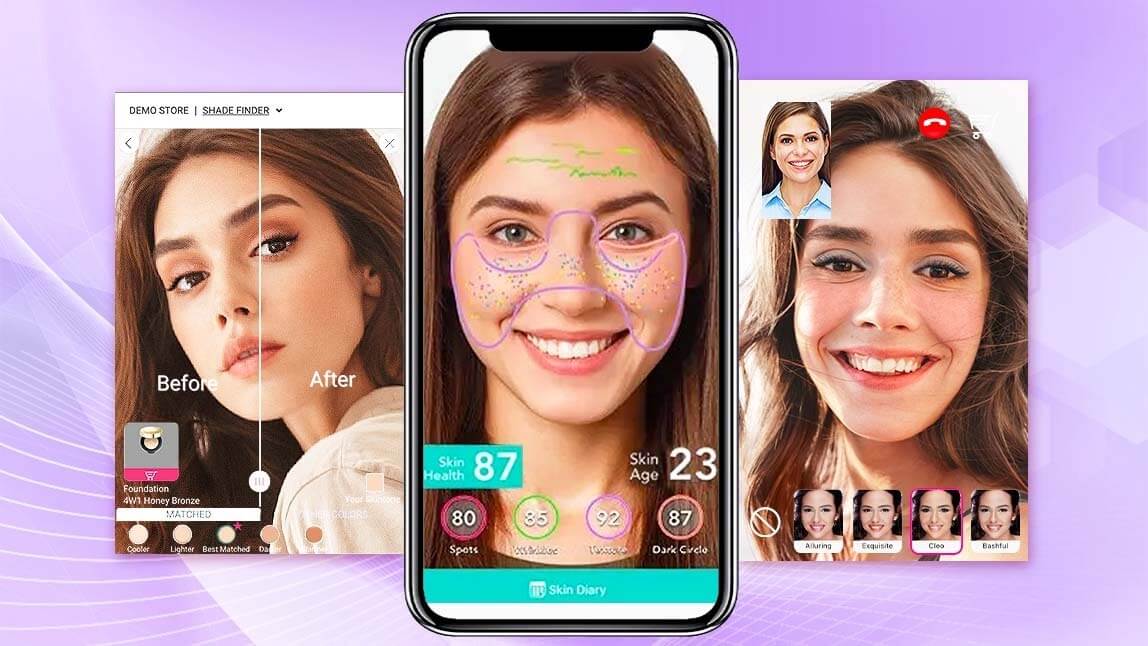
This is the function almost every generic "AI agents for business" roundup leaves out entirely — because most of them are written from a pure enterprise-software lens, not a consumer-retail one. But beauty, skincare, jewelry, and eyewear brands have their own version of an AI agent, and it looks different: instead of resolving a support ticket, it's guiding a shopper through a decision a human associate would normally make in-store.
Virtual try-on agents
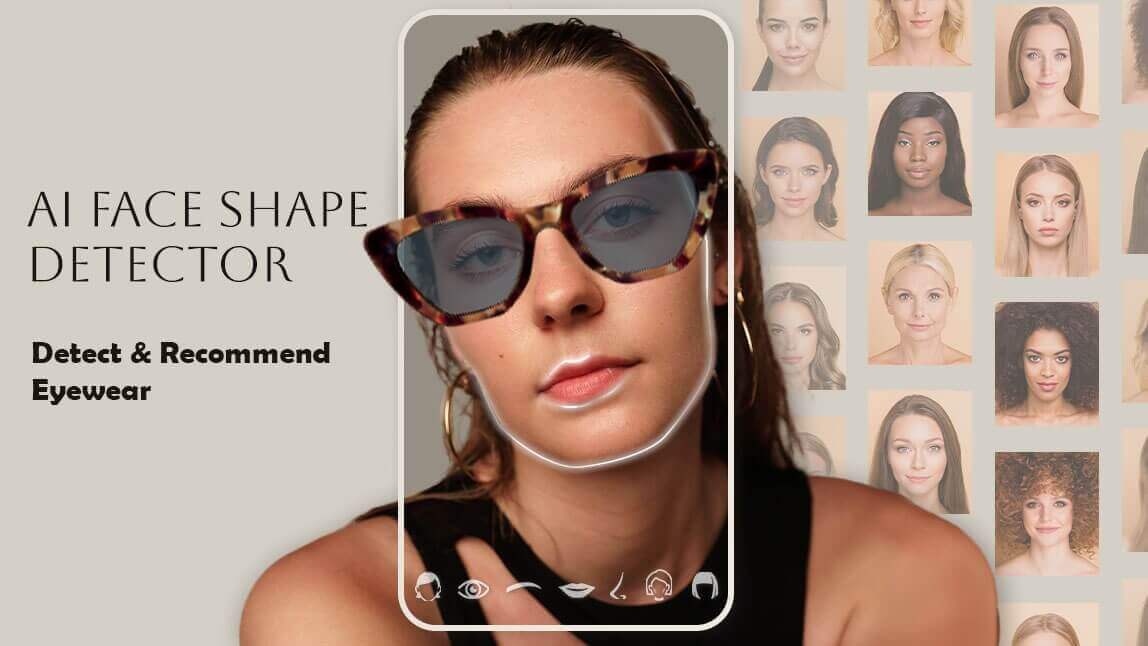
Let a shopper see a lipstick shade, a hair color, a ring, or a pair of glasses rendered live on their own face or hand before buying — functioning as an always-on fitting-room agent rather than a chat window.
AI skin and hair diagnostic agents
Analyze a shopper's uploaded photo and recommend specific products based on actual skin tone, texture, or hair type, replacing the guesswork of a generic quiz.
Conversational shade- and size-matching agents
Combine a chat interface with real try-on data to answer "will this look good on me" in a way a plain text-based agent structurally cannot.
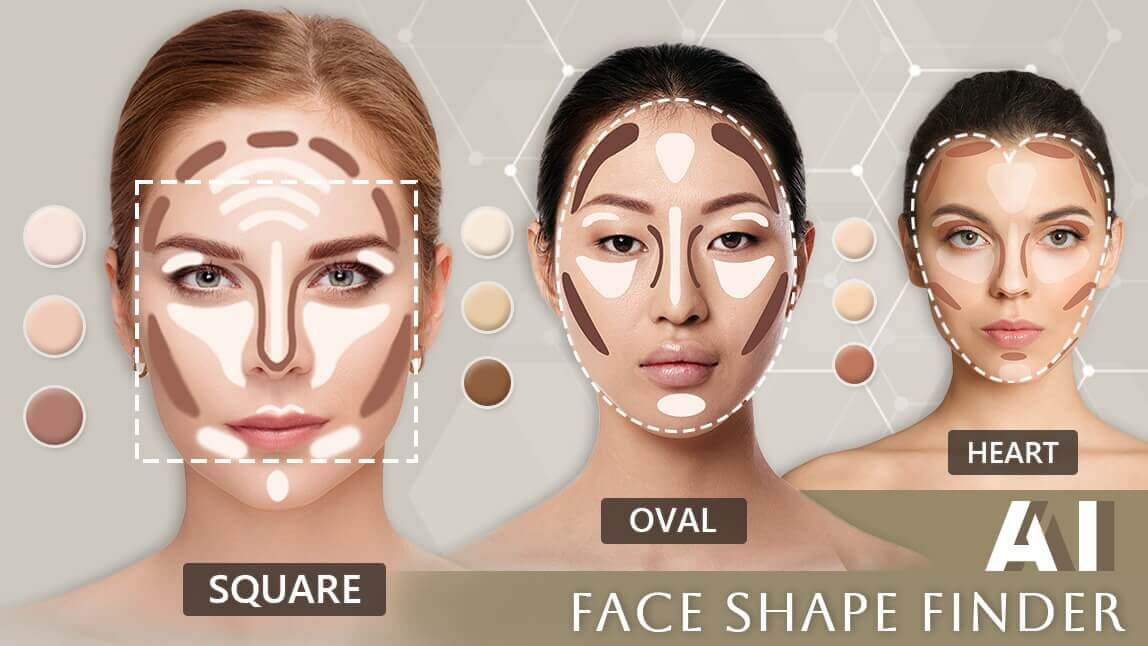
Perfect Corp's own AI Playground is a practical way to see this category in action — testing Face Analyzer, Skin Diagnostic, and Hair Analysis APIs against real photos before deciding whether to build an agent on top of them. For teams further along, the full product suite and real-world showcase of live deployments show what's already running at scale across major retailers.
How Do You Choose Where to Deploy Your First AI Agent?
Start where the data is cleanest and the failure mode is cheapest. The historical data to train against already exists in volume.
Perhaps save the higher-stakes functions: finance, security, anything customer-facing on a live storefront — for after your team has a working playbook for monitoring and correcting an agent's mistakes.
What Are the Real Risks of Rolling Out AI Agents?
The honest list: agents can act confidently on bad or incomplete data, which is worse than a human pausing to ask; they need clear guardrails on what they're allowed to do autonomously versus what still needs a human sign-off; and change management — getting employees to actually trust and use the agent — fails more enterprise rollouts than the technology itself does.
None of these are reasons to avoid agents. They're reasons to start narrow, measure constantly, and expand only once the first deployment is boring and reliable.
FAQ: AI Agents for Business
What is the difference between an AI agent and a chatbot?
A chatbot answers questions one at a time. An AI agent plans multi-step actions toward a goal, calls real tools and systems to execute them, and can act with some autonomy inside guardrails — closer to a junior employee than a search box.
What are the most common AI agent use cases in business today?
Customer support ticket resolution, IT helpdesk automation, sales deal-risk flagging and CRM updates, HR candidate screening, and — in retail and beauty specifically — virtual try-on and skin/hair diagnostic agents.
Are AI agents safe for customer-facing use?
When scoped narrowly and monitored closely, yes — most enterprises start with lower-stakes functions like IT helpdesk before deploying agents on anything customer-facing or revenue-critical.
Do AI agents for beauty and retail brands actually exist, or is that marketing language?
They exist and are already live at scale — virtual try-on and AI skin/hair diagnostic tools function as agents in the sense that they guide a shopper through a decision a human associate would normally make, using real-time analysis of the shopper's own photo rather than a generic recommendation.
How much does it cost to deploy an AI agent?
It varies enormously by function and vendor — from near-free API trials for testing to significant enterprise licensing for a full platform like Salesforce Agentforce or ServiceNow AI Agents. Most teams start with a free trial or sandbox before committing budget.
What's the biggest mistake companies make rolling out AI agents?
Deploying to a high-stakes, customer-facing function first instead of starting with a narrow, low-risk use case — and underestimating how much change management it takes to get employees to actually trust and use the agent.
The agents that are actually paying off in 2026 share one trait: they were deployed narrow, measured constantly, and only expanded once the first use case was boring and reliable. That's as true for an IT helpdesk agent as it is for a virtual try-on agent guiding a shopper to the right shade. Browse more AI and beauty-tech guides on the Perfect Corp blog to see where the retail and beauty version of this category is headed next.